





Dulwich Picture Gallery bulky rubbish removal and donation tips
Posted on 14/07/2026
Dulwich Picture Gallery bulky rubbish removal and donation tips: a practical local guide
If you are sorting out bulky rubbish near Dulwich Picture Gallery, the job can feel bigger than it first looks. One chair turns into three. A wardrobe becomes a hallway blockage. Then there are the awkward bits: what can be donated, what needs specialist disposal, and what should never be left outside "just for a minute". This guide on Dulwich Picture Gallery bulky rubbish removal and donation tips is designed to make the whole process calmer, cleaner, and a lot more sensible.
You will find straightforward advice on clearing large items, deciding what is worth keeping, donating usable pieces responsibly, and avoiding common mistakes that cost time or money. There's also a local angle throughout, because let's face it, moving bulky waste in a busy part of Dulwich is not the same as a quiet garage clear-out in the suburbs.
For broader service options and to compare what kind of clearance suits your situation, you may also want to look at the service overview and pricing and quotes.

Contents
- Why this matters
- How the process works
- Key benefits and practical advantages
- Who this is for
- Step-by-step guidance
- Expert tips for better results
- Common mistakes to avoid
- Tools, resources and recommendations
- Law, compliance and best practice
- Options and comparison table
- Case study or real-world example
- Practical checklist
- Conclusion
- Frequently asked questions
Why Dulwich Picture Gallery bulky rubbish removal and donation tips Matters
Bulky rubbish is rarely just "junk". It is usually a mixture of furniture, household items, packaging, broken fixtures, and things people have meant to repair for months. Near a landmark like Dulwich Picture Gallery, that matters for a few practical reasons.
First, bulky items can be awkward to store. A sofa in a front room or a dismantled bedframe in a narrow hall quickly becomes a nuisance. Second, some items are reusable, which means they should not automatically be treated as waste. A sturdy table, a usable bookcase, or a chair in decent condition may have more life left in it than you think. Third, leaving bulky items in the wrong place can create access issues, visual clutter, and avoidable friction with neighbours or visitors.
Donation tips are part of the story because the most sustainable clearance is the one that keeps items in use for as long as possible. In other words, the best bulky rubbish removal is not always "remove everything". Sometimes it is "sort properly, donate what still works, then clear the rest in one clean sweep".
A sensible approach also helps you avoid overpaying. If you separate donate, recycle, and dispose piles before removal day, you usually reduce confusion and make the collection faster. That is a win on all sides.
For readers interested in greener handling, the page on recycling and sustainability is a useful companion read.
How Dulwich Picture Gallery bulky rubbish removal and donation tips Works
The process is simpler when you break it into stages. That sounds obvious, but honestly, most headaches come from trying to do everything in one go.
1. Identify the bulky items
Walk through the space and list what needs to go. Common bulky items include sofas, armchairs, mattresses, wardrobes, shelving, tables, white goods, office chairs, and large decorative items. If you are clearing after redecorating or replacing furniture, add packaging, broken fittings, and old storage boxes to the list.
2. Separate usable from unusable items
Be strict here, but not sentimental. Ask three simple questions: Is it safe to use? Is it clean enough to pass on? Would you be happy for someone else to receive it? If the answer is yes to most of those, it may be suitable for donation. If the item smells damp, has structural damage, or is missing major parts, it is probably disposal material.
3. Check for special handling needs
Some items need more care than a standard lift-and-load. Mattresses, fridges, freezers, electricals, and anything with sharp edges or hidden weight can require careful handling. If you are unsure, it is better to treat the item as specialist waste than to guess. That small bit of caution saves trouble later.
4. Plan the collection route
In Dulwich, access matters. Tight hallways, parked cars, upstairs flats, and short loading windows can all slow things down. Before removal day, clear the route from item to exit. Move shoes, rugs, fragile objects, and low obstacles out of the way. If you are on a main road or in a busier part of the area, think about timing too.
5. Arrange donation drop-off or pickup
If the item is suitable for donation, decide whether you will deliver it yourself or pass it to an organisation that can accept it. Only offer what is truly usable. Donations work best when they are clean, complete, and easy for the next person to use without a repair list the size of a novel.
6. Remove the remainder responsibly
Anything left over should be cleared in a way that aligns with local and UK waste best practice. That usually means using a licensed clearance provider, sorting recyclable material where possible, and keeping records where appropriate for business or property management purposes.
If you are comparing removal methods, the article on skip hire versus rubbish removal services is a helpful read.
Key Benefits and Practical Advantages
Done properly, bulky rubbish removal is not just about getting a room back. It changes how a property feels and functions.
- Less clutter, more space: Large items are the biggest visual offenders. Once they go, a room often feels bigger immediately.
- Lower stress: You are not stepping around a broken chair leg for another three weeks. Small thing, big relief.
- Better reuse outcomes: Donation helps keep items in circulation instead of sending them straight to disposal.
- Cleaner handover for landlords or buyers: If you are clearing before moving, selling, or letting, bulky item removal makes the property easier to present.
- Safer living environment: Broken furniture, stacked boxes, and unstable items can cause trips or block access.
- More efficient clearance day: When the sorting is done in advance, the removal itself tends to be faster and tidier.
There is also a sustainability angle. Reuse first, recycle second, dispose last. That simple hierarchy is still the most sensible way to think about bulky waste.
And if you want a broader picture of how the company approaches environmentally aware disposal, see eco-friendly rubbish disposal for homes and businesses.
Who This Is For and When It Makes Sense
This kind of guidance helps a surprisingly wide mix of people.
Homeowners
If you are refreshing a living room, clearing an attic, or replacing old furniture, bulky rubbish can build up fast. A donation-first mindset works especially well here because many items are still usable if they are not too worn.
Landlords and letting agents
End-of-tenancy clearances often include mix-and-match furniture, damaged bits, and left-behind items. In those cases, speed matters, but so does sorting. A few donation-worthy items can be diverted, while the rest is cleared promptly.
People downsizing
Downsizing brings decisions. You may have furniture that no longer fits the next property but is far too good to dump. That is exactly where donation tips become valuable.
Families after a renovation
When the old sofa goes, the old table usually follows, and then the broken storage unit sitting in the corner "for now". That is the moment to get organised before the pile spreads.
Small businesses and studios
Studios, offices, and creative spaces in Dulwich sometimes accumulate display units, desks, shelving, and awkward stock items. For business users, clear sorting also helps with compliance and record-keeping.
If you are handling a workplace clear-out, this may pair well with office clearance in Dulwich or the client story on efficient office clearances.
Step-by-Step Guidance
Here is a practical workflow you can actually use, without turning the whole thing into a weekend project from hell.
- Make one master list. Write down every bulky item, including the small extras like broken stools or damaged side tables.
- Sort into three piles. Keep, donate, remove. If in doubt, put the item in the "review again" pile and revisit it after a cup of tea.
- Inspect donation items. Look for stains, wobble, missing fittings, tears, cracks, or damp damage.
- Clean donation items lightly. A quick wipe, vacuum, or surface clean makes a genuine difference. Nobody wants to receive a dusty, mysterious chair.
- Measure larger items. Check doorways, stairs, and lifts so removal day does not stall halfway down the hall.
- Identify anything restricted. Electricals, fridges, paint, chemicals, and other special waste should be treated carefully.
- Book the clearance. If you are using a professional service, give them a clear description of what needs removing.
- Prepare the access route. Move smaller items out of the way and protect floors if needed.
- Load donation items separately. Keep donated goods away from waste to avoid accidental contamination.
- Confirm what remains. Once the clearance is done, do a final walk-through. It sounds basic, but it catches the forgotten lamp in the corner every time.
A quick donation filter that works
If you are unsure whether to donate, use this simple rule: if you would not feel comfortable giving it to a friend, do not donate it. That is not being harsh; it is being respectful.
Expert Tips for Better Results
These are the sorts of little adjustments that make bulky rubbish removal feel easier and cheaper. Not glamorous, but very useful.
- Sort early, not on the day. The best time to identify donation items is before the removal team arrives.
- Bundle by category. Put wood, metal, textiles, and electricals in separate groups where possible. It helps everyone move faster.
- Keep reusable items dry and clean. Moisture ruins donation value quickly, especially for upholstery and books.
- Remove personal contents. Drawers, cabinets, and storage boxes often contain surprise clutter. And sometimes awkward documents.
- Photograph larger pieces. Handy if you want to confirm condition with a provider or charity recipient beforehand.
- Ask about lifting access. A service that understands local access constraints is usually a better fit than one that works only to a generic script.
- Think about timing. Early weekday collections can be easier than squeezed weekend jobs, especially around busier local roads.
One thing people often overlook: a near-empty room still has "hidden bulky waste" in it. Think curtain poles, broken shelves, old fixtures, and the stuff tucked behind cupboards. Those bits add up.
If you are trying to avoid surprise charges, the guide on hidden costs in rubbish removal is worth a look too.

Common Mistakes to Avoid
Most bulky waste problems are avoidable. The tricky bit is that the mistakes feel small at the time.
- Leaving donation decisions until the last minute: This usually leads to rushed sorting and good items being dumped by default.
- Donating damaged goods: If something is broken or unsafe, it is not a donation just because you want it gone.
- Mixing rubbish and reusable items: Once they are tangled together, reuse opportunities often disappear.
- Forgetting access constraints: A bulky wardrobe is one thing. Getting it through a narrow stairwell is another story entirely.
- Ignoring special waste rules: Some items should not be treated like normal household rubbish.
- Assuming every provider handles every material the same way: Check what is accepted before the job starts.
- Not checking the final area: Behind doors, in sheds, and under stair storage. That is where forgotten items hide.
And yes, the classic mistake is this one: keeping a "maybe" pile for so long that it becomes a permanent furniture exhibit. We have all seen it.
Tools, Resources and Recommendations
You do not need a warehouse of equipment for a decent bulky clear-out, just a few practical basics.
- Dolly or sack truck: Helpful for moving heavy items safely, especially from ground floor to kerbside.
- Heavy-duty gloves: Good grip matters more than people think.
- Measuring tape: Useful for checking fit through doorways and lifts.
- Labels or masking tape: A simple way to mark donation, recycle, and disposal piles.
- Bin bags and boxes: Great for smaller parts, screws, and accessories so nothing gets lost.
- Cleaning cloths and vacuum: Especially useful if you want to make donation items more acceptable.
As for reading material on related decisions, a few internal resources can help:
- how to prepare for rubbish removal
- DIY versus professional rubbish removal
- choosing a trusted local provider
If you are interested in the broader service mix, rubbish removal in Dulwich, house clearance, and waste clearance are all relevant depending on the volume and type of items.
Law, Compliance, Standards, or Best Practice
For bulky rubbish, the key rule is simple: do not assume all waste can be handled the same way. UK waste handling has clear expectations around safe collection, proper transfer, and responsible disposal. In everyday terms, that means you should use a provider that can explain how materials are separated, where reusable items may go, and how restricted or hazardous items are managed.
For householders, the safest practical standard is to keep donation items clean, keep waste streams separated where possible, and avoid placing items out in a way that blocks access or creates a nuisance. For businesses, there is usually a stronger need to keep clear records and use licensed handling routes, especially where multiple item types are involved.
Special care is sensible for items such as electrical equipment, refrigerating units, sharp broken furniture, paint containers, and anything that may contain residues. If a provider seems vague about how these are treated, that is a warning sign. Probably not the one you want to ignore.
It is also worth choosing a company that takes safety seriously. The page on insurance and safety explains that approach in plain language.
For related trust signals, the pages on about us and why hire licensed rubbish professionals are useful if you want to understand what good practice looks like.
Options, Methods, or Comparison Table
There is more than one way to handle bulky items. The right choice depends on volume, condition, access, and your timeframe.
| Method | Best for | Pros | Watch out for |
|---|---|---|---|
| Self-sorting and donation first | Usable furniture and household items | Supports reuse, reduces waste, helps you stay organised | Takes time, needs storage space and transport |
| DIY disposal | Small amounts, simple access, low-risk items | Can feel cheaper upfront, fully under your control | Heavy lifting, transport hassle, possible hidden effort |
| Professional bulky removal | Mixed loads, awkward items, time-sensitive jobs | Fast, practical, less lifting for you | Needs good preparation to avoid confusion |
| Full house or office clearance | Larger clear-outs, moving, probate, refurbishments | Most efficient for large-scale jobs | Best when the scope is clearly defined in advance |
To compare the practical side of methods in more depth, you might also like council waste versus private rubbish removal and what to expect on rubbish removal costs.
Case Study or Real-World Example
Picture a typical Saturday clear-out near Dulwich Picture Gallery. A family has replaced a tired sofa, a sideboard, and a dining table. In the hallway sit a lamp, a small chair, a box of books, and some old frames. At first glance it looks like one job. In practice, it is three jobs: donation, recycling, and disposal.
They start by cleaning the table and checking the chair. Both are structurally sound, with only light surface wear, so they are marked for donation. The lamp is usable but missing the shade; it is set aside for review. The sofa is too worn and badly stained, so it goes into the removal pile. The frames are mixed: two are reusable, one is cracked.
Before collection day, they clear the hallway, measure the stair bend, and move a runner rug that would otherwise catch on the sofa feet. The removal team arrives, loads the bulky waste quickly, and the family keeps the donation pieces separate so they can be passed on cleanly.
The result is not dramatic, but it is satisfying. The room opens up, the donation items have a second life, and the family does not spend the afternoon wrestling with a doorway that was always going to be too tight. Simple, but effective.
Practical Checklist
- List every bulky item that needs attention
- Sort items into keep, donate, recycle, and dispose
- Check that donation items are clean, safe, and complete
- Measure large items against doors and stairs
- Clear pathways from the item to the exit
- Separate electricals and any special waste
- Label boxes or loose parts clearly
- Confirm collection time and access details
- Prepare floors or walls if the route is tight
- Do one final room sweep before the team leaves
If your project involves more than a few pieces of furniture, the guidance in spring cleaning waste clearance tips can help you stay organised without overthinking it.
Conclusion
Dulwich Picture Gallery bulky rubbish removal and donation tips are really about making better decisions before the lifting starts. Sort honestly. Donate what still has a future. Keep unsafe or damaged items out of the reuse pile. And when you do need proper clearance, make the job easy by preparing the space and understanding what will happen next.
That approach saves time, keeps useful items in circulation, and makes the whole clear-out feel less like a chore and more like a reset. A room with less clutter genuinely changes how a home feels. Quietly, but noticeably.
If you are planning a larger clearance or want help comparing the best option for your load, take a look at the wider services overview and the practical advice in common rubbish clearance myths.
Get a free quote today and see how much you can save.
And if you are doing this by hand at home, take your time. A clear space is useful, but a calm mind is useful too.
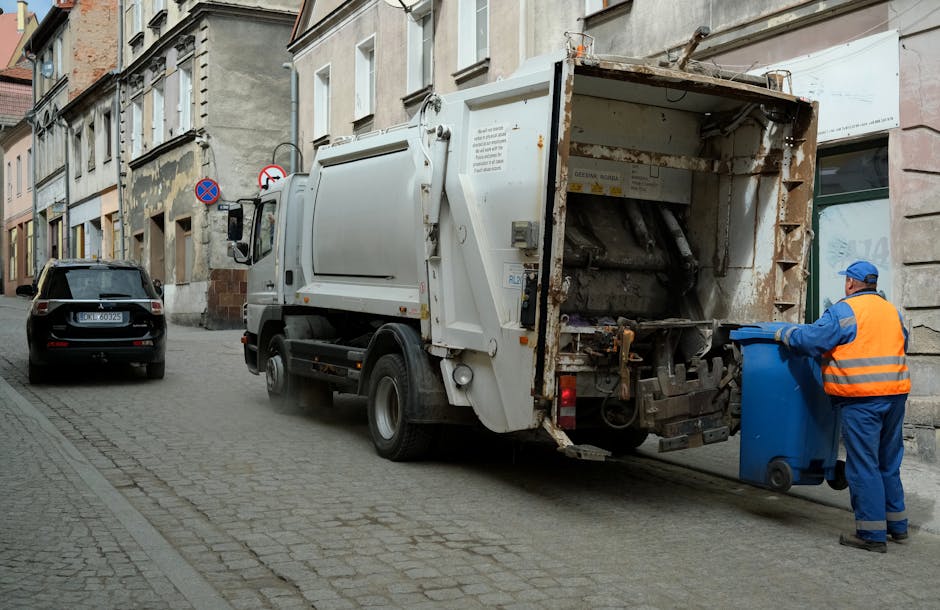


 Tipper Van - Rubbish Removal and Attic Clearance Prices in Dulwich, SE21
 Luton Van - Rubbish Removal and Attic Clearance Prices in Dulwich, SE21